How fast can you get portable toilets to a disaster site in Bowling Green?
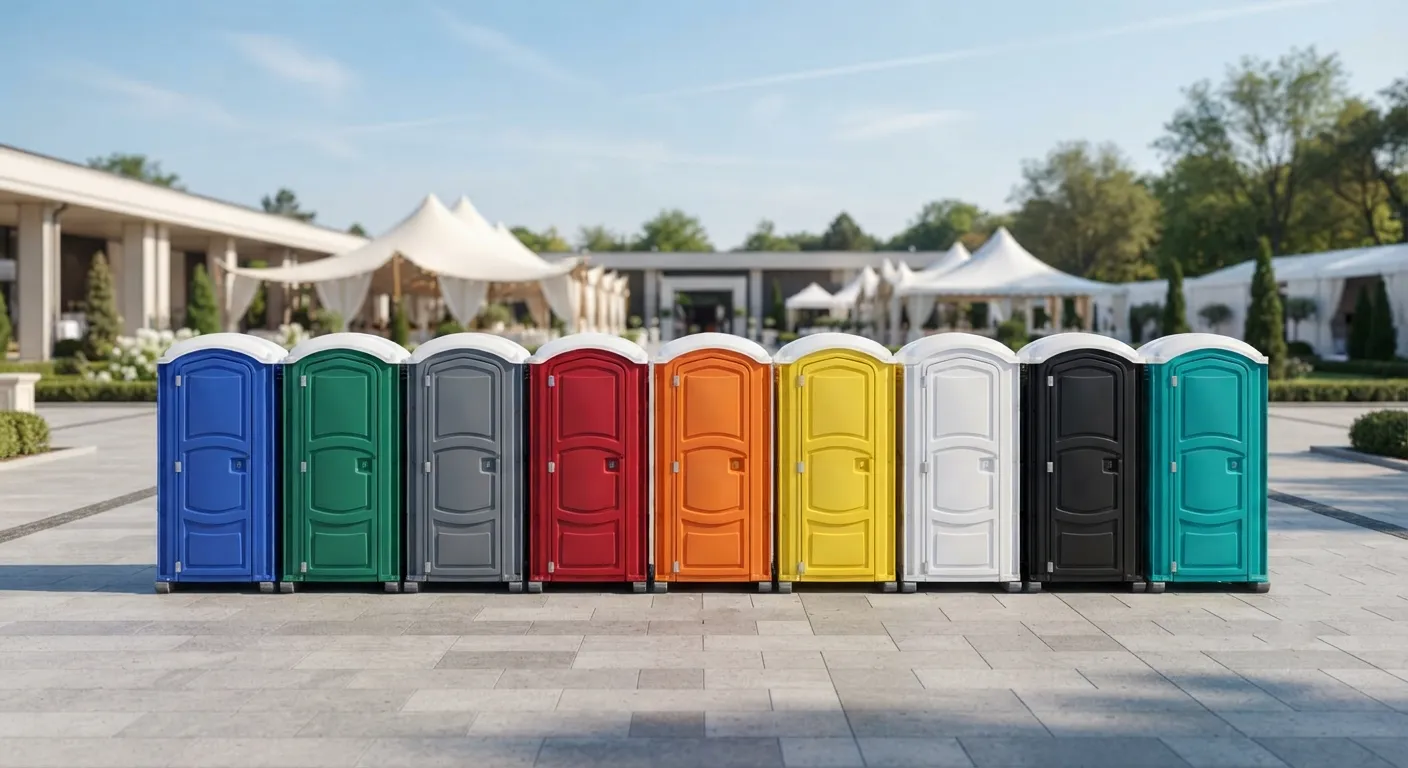
Speed is the whole job in an emergency. Bowling Green Porta Pros keeps emergency porta potty rental stock ready to move, and most standard deliveries roll same day once you call. A standard unit sits about 44 by 48 inches on the ground and stands roughly 92 inches tall, so it fits tight staging areas next to a shelter, a church parking lot or a National Guard command post without eating up space you need for vehicles. If the disaster knocked out water lines across a stretch of Bowling Green, we can stack units at a school gym serving as a shelter, then add more as the count of displaced residents grows. For county fairgrounds or large group shelters, an 8 stall restroom trailer covers more people per service visit than a row of singles, which matters when your crew cannot get back out for a day or two. We also bring handwashing station rental units alongside toilets, because a shelter without handwashing turns a sanitation problem into a health problem fast. Response radius covers Bowling Green and reaches Plum Springs 6.4 miles northeast, Plano 7.5 miles south, Woodburn 12.5 miles southwest, Franklin 21.5 miles south and Scottsville 21.7 miles southeast, so a regional disaster does not leave outlying towns waiting. If you are not sure how many units a shelter population needs, our how many porta potties do I need guide walks through the math before you call.
What sanitation gear do disaster shelters and relief sites actually need?
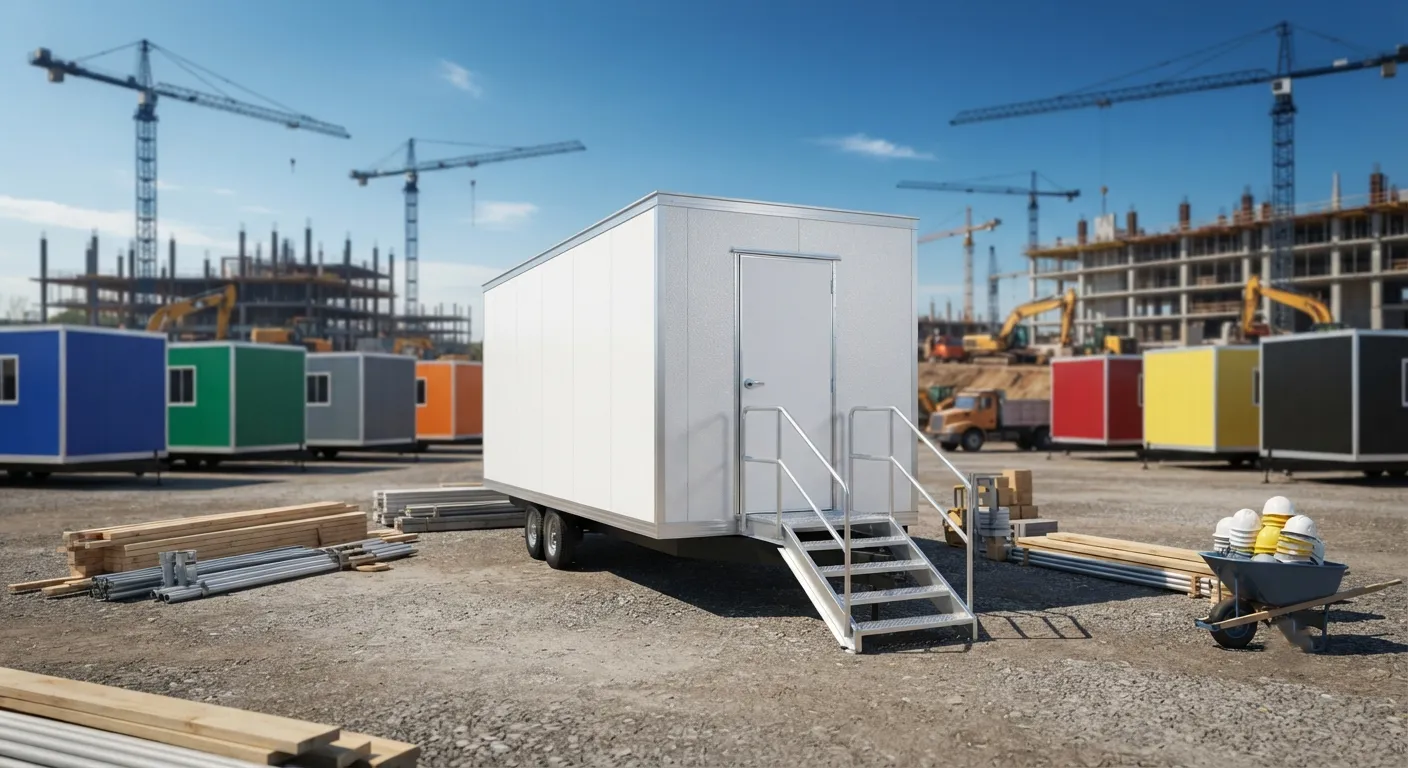
Toilets alone will not carry a relief operation. A displaced population needs water, waste containment and a way to wash hands, and OSHA 1926.51(a)(1) requires an adequate supply of potable water in any place of employment, which applies to relief staff working the site as much as residents sheltering there. We pair portable restroom rental units with holding tank rental capacity when septic systems are down across a neighborhood, since a failed drain field does not fix itself because there is a disaster happening around it. For debris removal after storm damage, a roll-off dumpster rental clears downed trees, waterlogged drywall and ruined furniture, and our construction dumpster rental fleet includes sizes from 10 yard up through 40 yard for larger cleanup zones. Relief command posts often need secure storage fast, and a storage container rental or mobile office trailer rental gives coordinators a dry, lockable space for supplies and paperwork. If the site needs to control who comes and goes, temporary fence rental sections off a staging yard, and crowd control barrier rental keeps donation lines organized instead of chaotic. For accessibility, 29 CFR 1910.141(d)(2) requires soap and towels or a hand drying device at washing facilities, and hand sanitizer alone does not satisfy that. Our ADA accessible porta potty units meet ADA Standards section 213.2, which calls for at least 5 percent of clustered single-user units to be accessible, never fewer than one, so shelters serving elderly or disabled residents are not an afterthought.
Do disaster relief sites need special permits for portable sanitation in Bowling Green?
Placement in the public right of way during an emergency still needs confirming with the City of Bowling Green, since normal permit rules were not built with disaster response timelines in mind. We coordinate directly with site coordinators and emergency management contacts to get units placed where they are needed without creating a new problem on a public street or sidewalk. General guidance on standard placement rules lives on our porta potty permit requirements page, and our broader porta potty placement guide covers ground surface and clearance questions that still matter even in a fast-moving relief effort. ADA Standards section 302.1 requires floor and ground surfaces at accessible units to be stable, firm and slip resistant, which can be a real challenge on flooded or muddy ground after a storm, so we work with coordinators to find the driest usable pad near the shelter entrance. For sites also running food service or donated meals, a grease trap pumping plan avoids a second emergency stacking on top of the first. If your relief operation runs for weeks rather than days, review our monthly porta potty rental rates, since a longer deployment changes the math compared to a short weekend response, and our porta potty rental cost page breaks down what drives price up or down.
What does emergency portable sanitation cost during a disaster?
It depends on scale and how fast you need it, but standard daily rates run 100 to 350 dollars per unit and weekend rates run 125 to 400 dollars, based on our measured pricing data. Large deployments often qualify for weekly or monthly rates instead of stacking daily charges.
How many portable toilets does a shelter of 100 people need?
OSHA 1926.51(c) sets construction ratios, not shelter ratios, but as a working guide it calls for 1 toilet per 20 people at low counts. A 100 person shelter should plan for several units plus at least one ADA accessible unit under ADA Standards 213.2.
Can you deliver during active flooding or road closures?
We deliver as close as road conditions safely allow and reroute around closures using alternate access. Call ahead so dispatch can check current conditions between Bowling Green and your site before the truck rolls.
Do you provide handwashing stations separate from toilets?
Yes. We deliver standalone handwashing station rental units for shelters and relief kitchens, since 29 CFR 1910.141(d)(2) requires soap and towel or drying device access that hand sanitizer alone does not cover.
What happens to septic systems damaged in a disaster?
A damaged tank or drain field usually needs pumping and inspection before it is safe to use again. Our septic pumping service team can assess damage and provide temporary holding tanks while repairs happen.
Next step
Get a delivery date
Tell us the address, the dates and the headcount. We size the order and confirm the route.