How many porta potties do I need for a construction site?
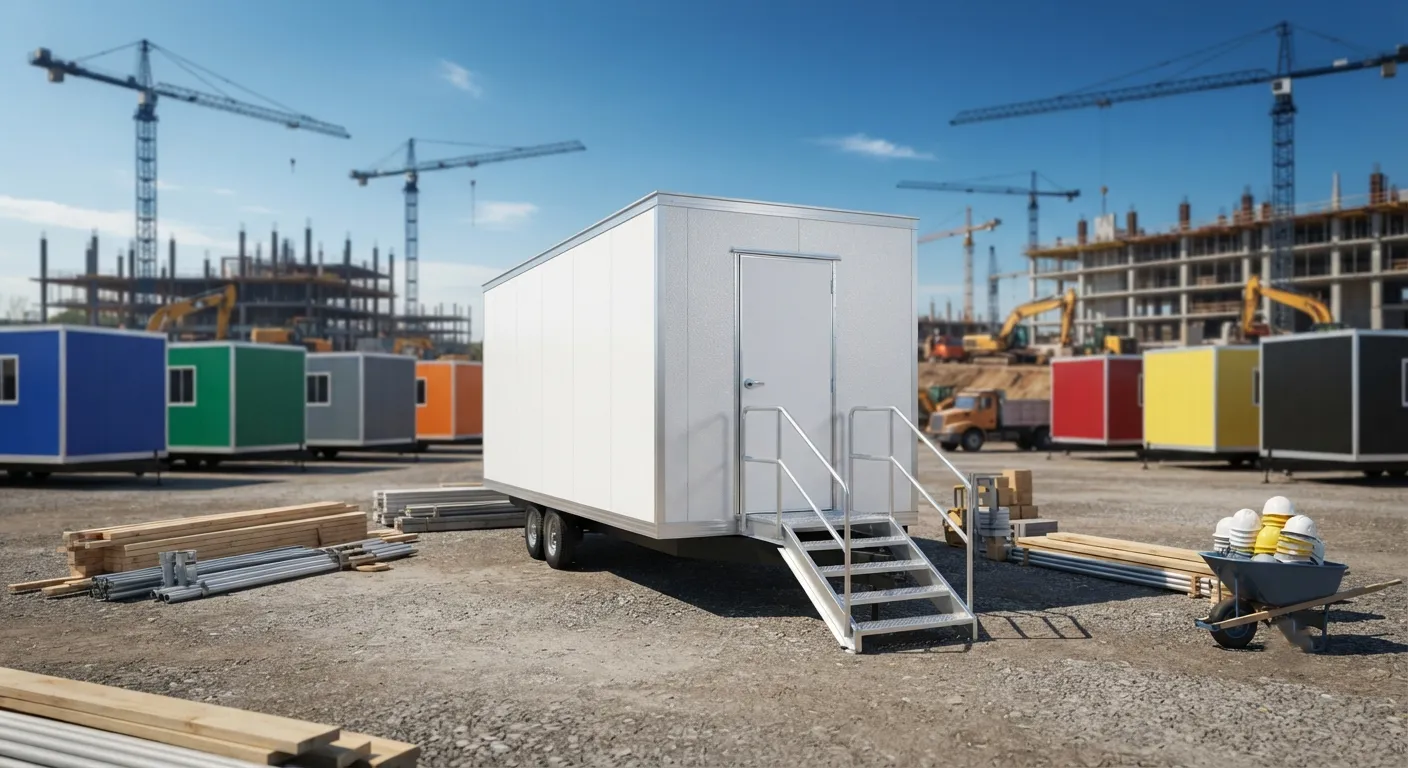
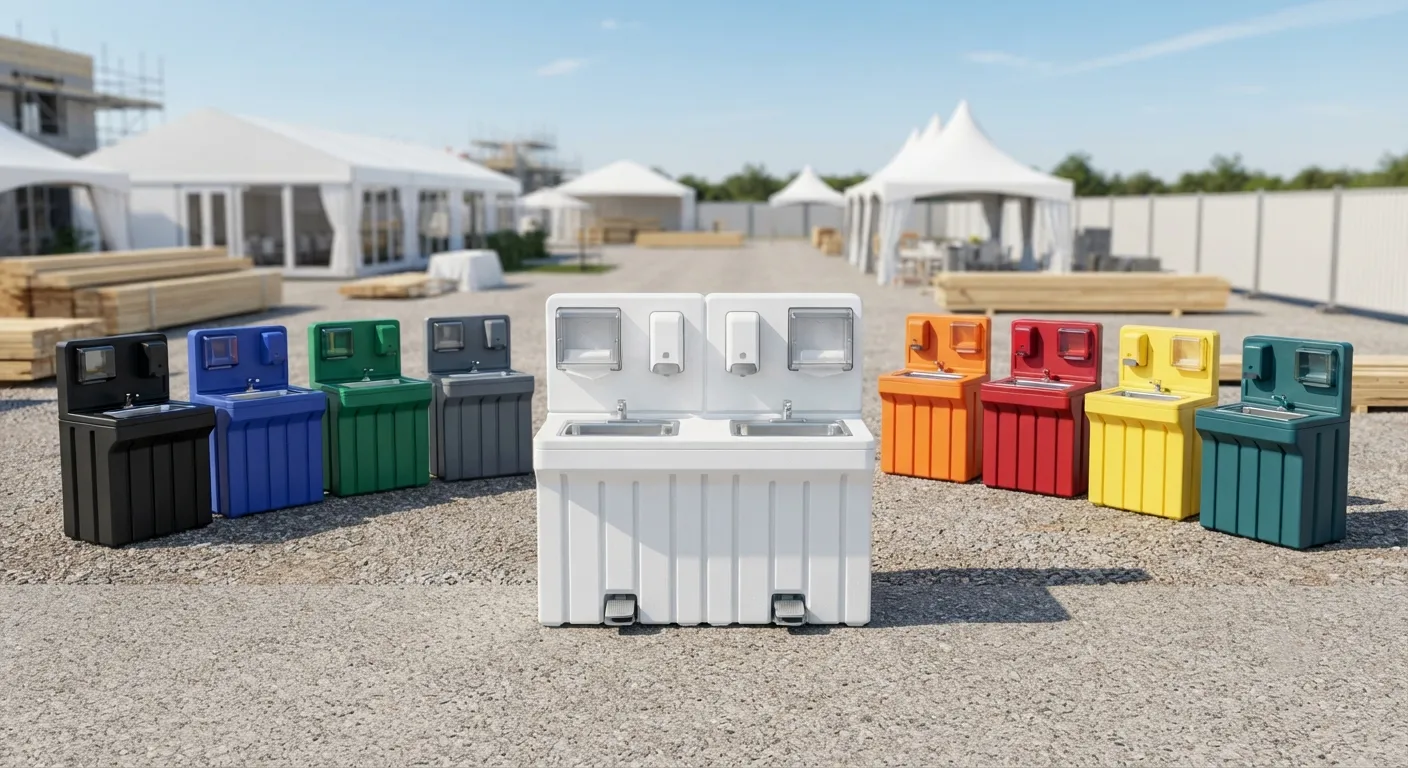
Start with your headcount, then check it against OSHA 1926.51(c). Twenty workers or fewer needs just 1 toilet seat. Once you cross 20 workers, the rule adds a urinal, and the ratio becomes 1 toilet and 1 urinal per 40 people, all the way to 200 workers. Past 200, it drops to 1 seat and 1 urinal per 50. A 35-person framing crew in Bowling Green needs 1 toilet and 1 urinal under that table, not the single unit a smaller job would use. Multi-week jobs also need potable water on site under 1926.51(a)(1), which most rental orders bundle with the standard porta potty rental anyway. If your crew works with paints, coatings, or insecticides, 1926.51(f)(1) requires washing facilities for that exposure specifically, not general hand cleanup, so a handwashing station rental earns its keep on painting and pest-treatment days. Check our OSHA portable toilet requirements guide before you finalize a bid, and use the how many porta potties calculator style breakdown to sanity-check your count against crew size and shift length.
How many porta potties do I need for an event?
Plan on 1 unit per 50 guests for a 4-hour event without alcohol. That ratio tightens fast once beer or wine enters the picture, because drinking crowds cycle through units almost twice as often. Add 20 to 25 percent more units for any event serving alcohol, and add another unit for every additional 4 hours past the first block. A 300-person wedding reception in Bowling Google Green running 6 hours with a bar needs roughly 8 to 9 units, not the 6 the flat ratio suggests. Multi-day festivals compound this: each extra day adds wear, so service frequency needs to increase, not just unit count. For guidance tuned to your guest list, see event restroom rental planning or the specific breakdowns for a wedding restroom rental, festival restroom rental, or concert restroom rental. Race organizers and fairground events have their own crowd patterns worth checking against our marathon and race restrooms and county fair restrooms pages before locking a headcount.
What is the OSHA ratio for jobsite toilets by crew size?
| Crew size | Toilets required | Urinals required |
|---|---|---|
| 1 to 20 | 1 | 0 |
| 20 to 40 | 1 | 1 |
| 41 to 80 | 2 | 2 |
| 81 to 110 | 3 | 3 |
| 200+ | 1 per 50 | 1 per 50 |
That table comes straight from OSHA 1926.51(c)(1), and it is the number an inspector checks first. Note this table applies to construction sites; general industry workplaces fall under 1910.141(c)(1)(i) instead, with its own bracket structure. If your project also needs an accessible unit, ADA Standards 213.2 requires at least 5 percent of clustered single-user units to be accessible, and never fewer than one, so a 4-unit bank on a mid-size Bowling Green job site still needs at least 1 ADA unit. Renting portable toilet rental units in this bracket usually means ordering a porta john rental mix of standard and ADA together rather than adding the accessible unit as an afterthought.
What is the event ratio for headcount and hours?
| Guests | Hours | Units (no alcohol) | Units (with alcohol) |
|---|---|---|---|
| 50 | 4 | 1 | 2 |
| 100 | 4 | 2 | 3 |
| 250 | 4 | 5 | 6 |
| 500 | 4 | 10 | 12 |
| 500 | 8 | 12 | 15 |
Every extra 4-hour block after the first pushes the count up again, and alcohol service pushes it up further on top of that. A 250-guest outdoor concert running 8 hours with a beer garden should plan closer to 8 or 9 units, not the 5 the base ratio implies for a shorter, dry event. This is also where deluxe flushable porta potty units earn their premium over standard stalls, since higher-traffic events wear tanks down faster and deluxe units handle that load better. For golf outings and film shoots with smaller, spread-out crowds, see golf tournament restrooms and film set restroom rental for ratios built around walking distance instead of density.
How does alcohol change the porta potty count?
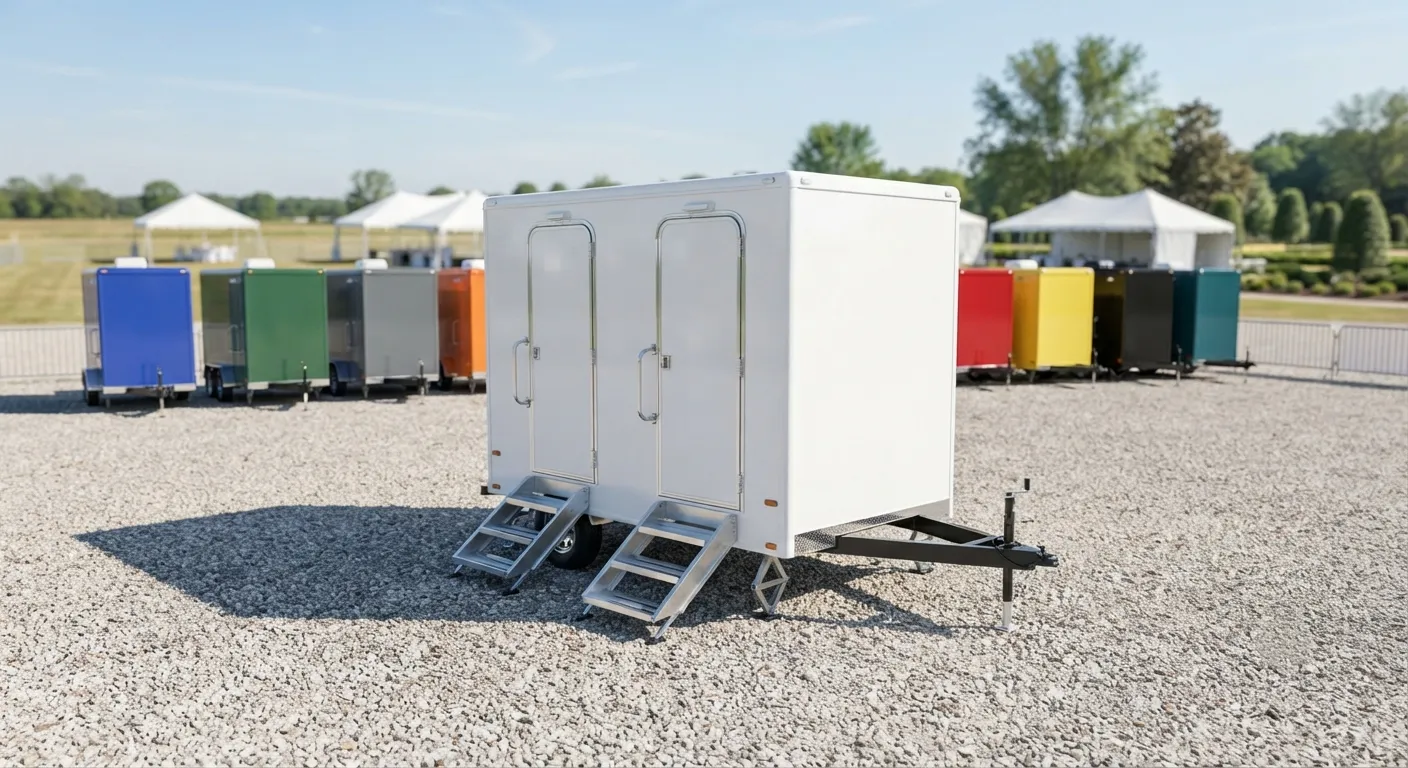
Alcohol service adds 20 to 25 percent more units to whatever the dry-event ratio gives you. Drinking guests use restrooms more often and stay longer per visit, so the same 4-hour window needs more capacity, not just more patience. A 400-person outdoor wedding near Bowling Green with an open bar for 5 hours should round up from a baseline of 8 units to roughly 10. Skipping this adjustment is the single most common reason event restrooms run out of paper and patience by hour three. If your venue is dry, or alcohol is limited to a beer garden corral, you can often hold closer to the base ratio and put the savings into a luxury restroom trailer upgrade instead. Multi-day events add a separate compounding factor: book service visits daily rather than assuming a Friday service holds through a Sunday teardown.
How many tons and cubic feet does a dumpster hold?
Dumpster sizing runs on both volume and weight, and site crews need to plan for both. A 10-yard dumpster holds about 10 cubic yards, or 270 cubic feet, and works for small cleanouts; asking how many cubic feet in a 10 yard dumpster is really asking that same number, and asking how many feet is a 10 yard dumpster usually means its box length, which runs about 12 feet on most units. A 20-yard dumpster runs roughly 22 feet long and holds about 540 cubic feet, with how many tons a 20 yard dumpster holds landing in the 3-ton range depending on debris type. A 30-yard dumpster holds about 810 cubic feet, and how many tons a 30 yard dumpster can hold usually comes out to roughly 4 to 5 tons of mixed construction debris. A 40-yard dumpster tops out near 1,080 cubic feet, answering how many cubic feet are in a 40 yard dumpster, and how many tons a 40 yard dumpster holds usually comes out to roughly 5 to 6 tons. Heavier materials like concrete or shingles fill the weight limit long before they fill the box, so check dumpster weight limits before loading. For exact footprints by box, our dumpster sizes and dimensions page breaks down length, width, and height for each size, and roll-off dumpster rental covers delivery specifics, including the roughly 60 feet of straight clearance a delivery truck needs behind the drop point.
When should I order extra units for a Bowling Green job or event?
Order extra units whenever your crew count sits near a bracket line, your event runs past 4 hours, or alcohol is involved, since all three push real usage above the flat ratio. Weather matters too: winter jobs in Bowling Green run fewer breaks outdoors, which can lower usage slightly, while summer heat increases water and restroom demand. If a job site spans multiple phases, or a festival draws from towns like Plum Springs, 6.4 miles northeast, or Plano, 7.5 miles south, plan for the full-event peak, not the average headcount. For sites in Franklin, 21.5 miles south, or Scottsville, 21.7 miles southeast, delivery lead time may run longer than an in-town Bowling Green order, so book early. Use the how many porta potties do i need breakdowns above alongside a porta potty placement guide to lock both count and location before the crew or the guests arrive.
How many porta potties do I need for 100 people?
For a 4-hour event without alcohol, plan on 2 units for 100 guests, based on the 1-per-50 ratio. Add a third unit if alcohol is served, or if the event runs past 4 hours. Multi-day events need daily servicing on top of that count.
How many porta potties does OSHA require per worker?
OSHA 1926.51(c)(1) requires 1 toilet for crews of 20 or fewer. From 20 to 200 workers, it is 1 toilet and 1 urinal per 40 people. At 200 or more, the ratio shifts to 1 per 50.
How many tons does a 30 yard dumpster hold?
A 30-yard dumpster typically carries roughly 4 to 5 tons of debris, though heavier material like concrete or roofing shingles hits the weight cap well before the box fills up. Check dumpster weight limits for material-specific limits before loading.
How many cubic feet are in a 20 yard dumpster?
A 20-yard dumpster holds about 540 cubic feet, running roughly 22 feet long. That's enough for a mid-size renovation or roofing tear-off. See 20 yard dumpster rental for full dimensions and load guidance.
Do I need an ADA-accessible porta potty on site?
Yes, if you're clustering multiple single-user units. ADA Standards 213.2 requires at least 5 percent of clustered units to be accessible, and never fewer than one, even for a small bank of 3 or 4 standard units.
How many porta potties do I need for a wedding with alcohol?
Add 20 to 25 percent more units than the dry-event ratio calls for. A 200-guest wedding reception with an open bar over 5 hours should plan on roughly 6 units instead of the 4 a dry event of the same size would need.
Next step
Get a delivery date
Tell us the address, the dates and the headcount. We size the order and confirm the route.